Virtary DECA Recap
Why Deca VA Hunt Had to Exist
The VA landscape had become difficult to ignore. Demand kept increasing, but quality didn’t rise at the same pace. Many VAs were technically trained, yet struggled when faced with real client work.
We felt this gap directly through our clients. They weren’t looking for more resumes or certifications. They wanted consistency and people who could actually perform under real conditions.
That led to a question we had to answer honestly:
If we say we produce capable talent, are we willing to test that claim in a setting that reflects actual pressure?
Deca VA Hunt came from that question.
Not as an experiment for exposure, but as a response to a real problem in the industry.
The goal wasn’t to host an event. It was to build something that could stand as proof.

Designing the Format
From the beginning, we knew a standard challenge wouldn’t be enough. The format needed to resemble real work, not simulations that only function on paper.
The structure was built around ten tasks based on client scenarios VAs regularly face. Mentors were involved not to motivate, but to assess and guide based on practical expectations. The entire process was compressed into two months, which pushed both participants and the organizing team into a fast, demanding rhythm.
The tone was clear early on.
This wasn’t a learning sandbox.
It was a working environment with limited room for error.
The complexity wasn’t accidental. It was part of the design.
When Registration Opened
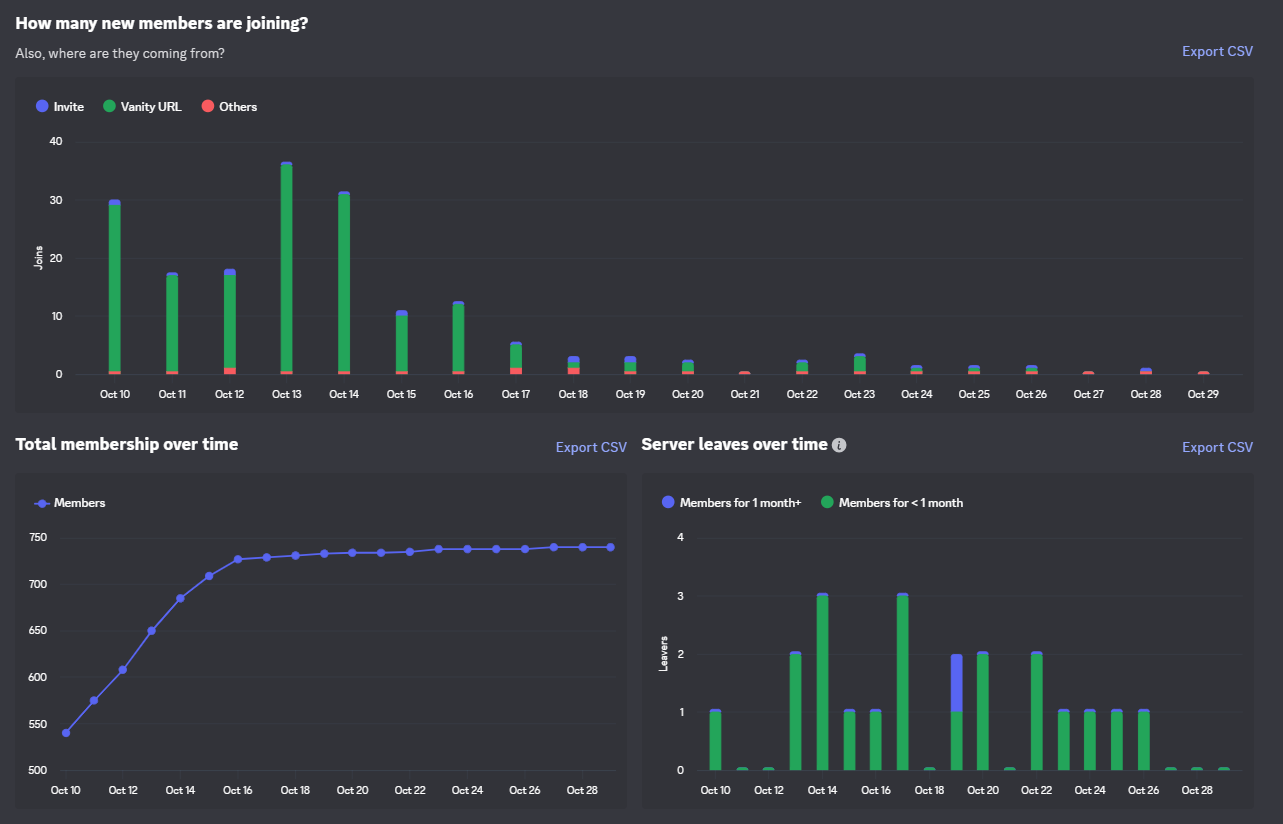
Registration opened on October 3rd, and the response came quickly.
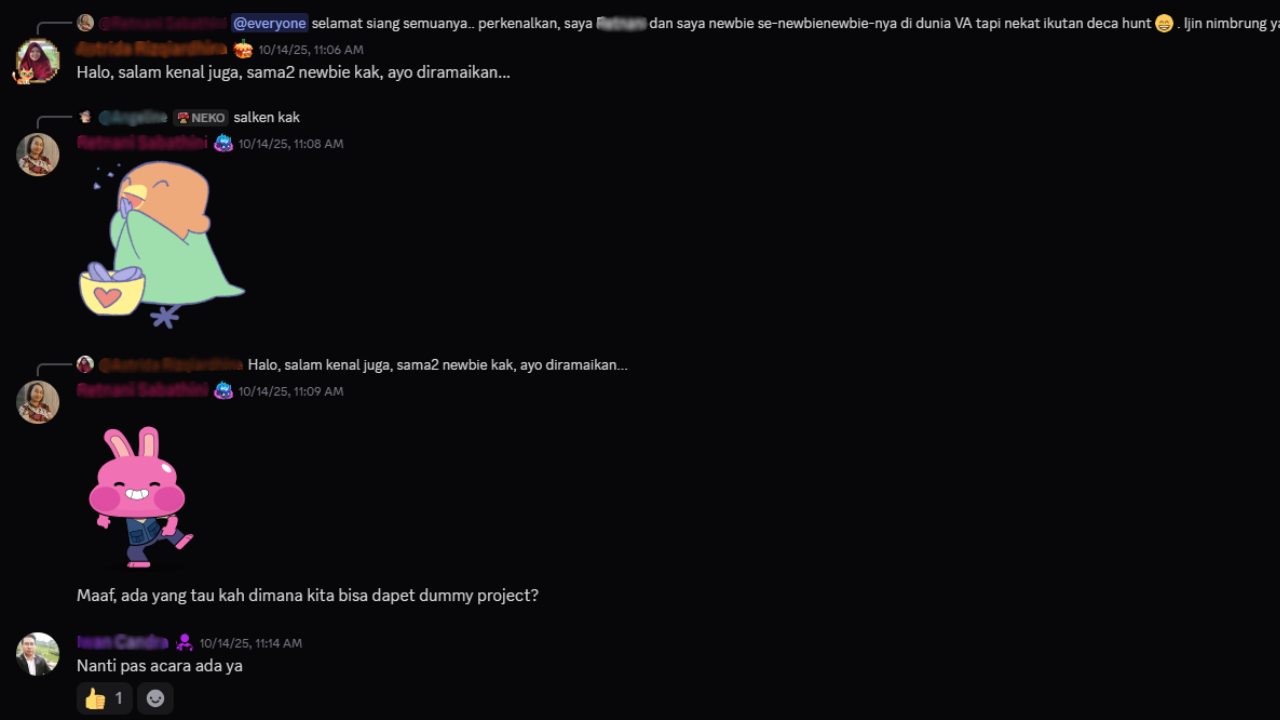
Activity on Discord increased almost immediately. People shared the announcement, invited peers, and discussed expectations openly.
What stood out was the scale.
More than 700 people registered, coming from different backgrounds and experience levels.
That response confirmed something important for us: there was a clear appetite for a process that tested ability rather than presentation.
The First Cut
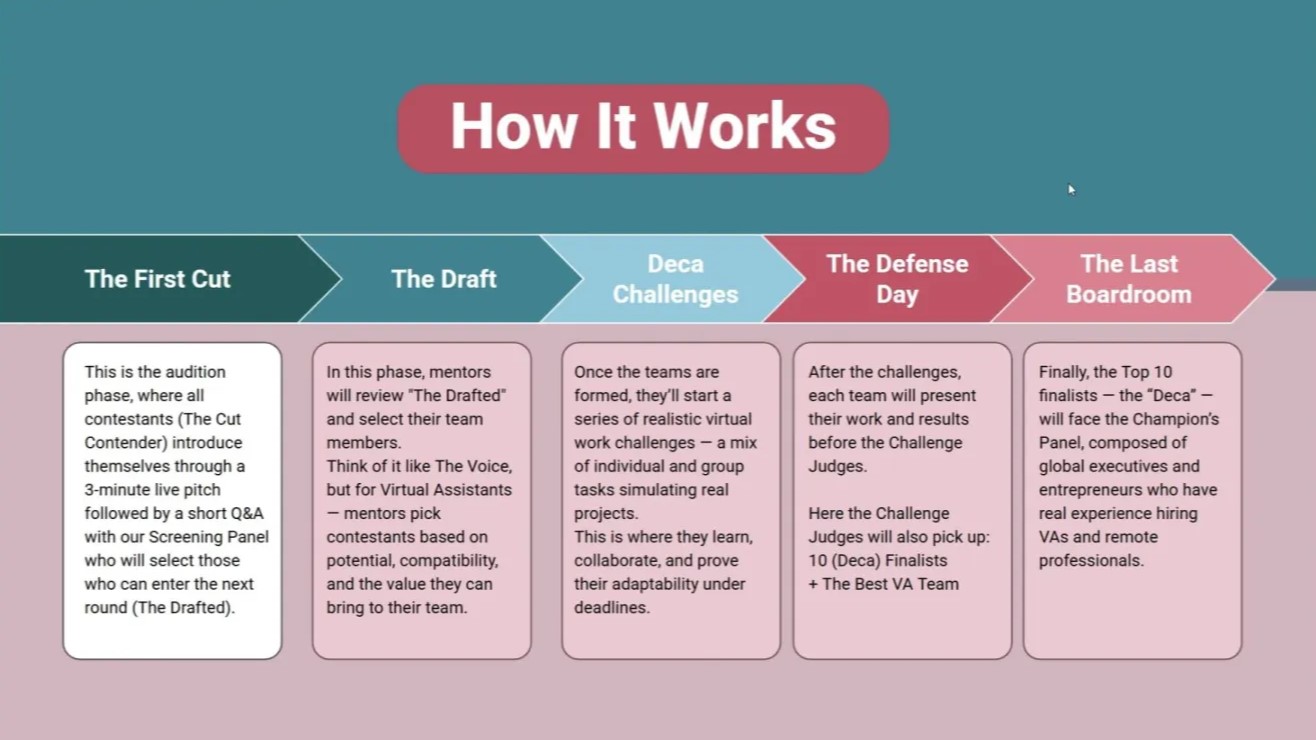
The first phase focused on filtering for intent and consistency.
The criteria were straightforward:
Who follows through?
Who stays engaged even without guaranteed progress?
Who treats this as a commitment rather than an opportunity to try?
Many participants exited early. That outcome wasn’t surprising, and it wasn’t a failure of the system. It was part of what the phase was meant to reveal.
As the round progressed, the pressure became noticeable. Both participants and observers began to understand that this wasn’t designed as a casual competition.
The Draft
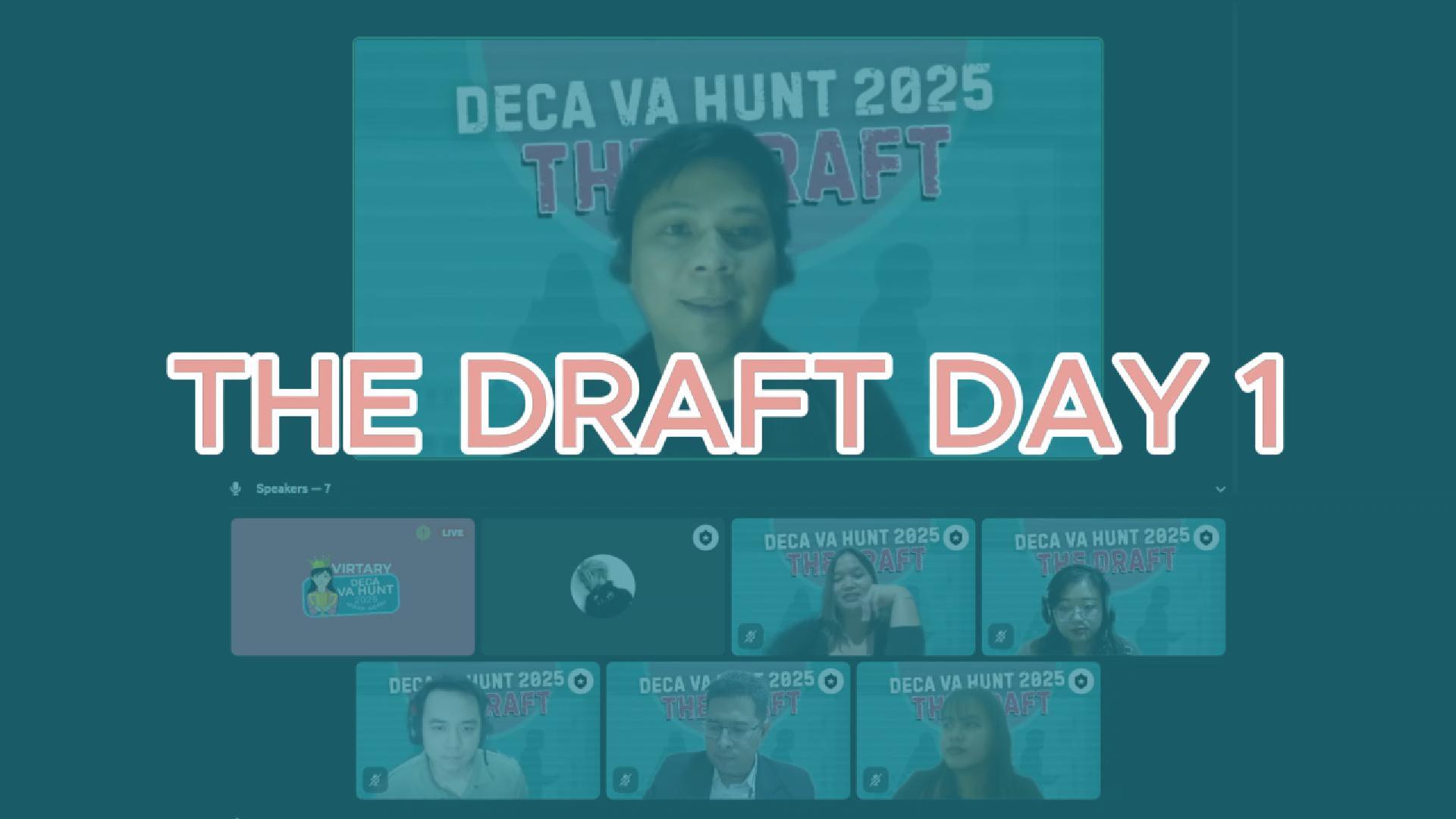
The Draft phase introduced mentors and formalized team structures. At that point, the dynamic shifted.
Participants were no longer operating individually. They were selected, grouped, and expected to perform within a team context. This brought out leadership tendencies, friction, and differences in work habits.
Some participants withdrew unexpectedly. That decision alone reflected how the stakes had changed.
Alongside the drafted teams, the Hot Pool was formed. This group consisted of participants who weren’t selected during the Draft but continued to develop under shadow mentors.
The intention behind the Hot Pool was simple:
to give capable participants a second opportunity rather than closing the door entirely.
When they were eventually reintroduced, the impact was noticeable. Several teams had to reassess their assumptions.
The Deca Challenges
This phase became the most demanding part of the event.
The ten challenges tested execution more than theory. Participants were evaluated on accuracy, adaptability, communication, and consistency. Team dynamics shifted repeatedly as workloads increased and expectations tightened.
Some teams struggled to maintain balance. Others adjusted quickly. Individual performance also became easier to measure over time.
An additional layer was introduced through the Instagram sidequest, which highlighted who felt genuinely invested in their participation. Actitime tracking further reinforced accountability, making time management and work discipline visible rather than assumed.
At this stage, visuals carried more meaning than explanations.
Defense Day
Defense Day was held in two rounds, each with a different focus.
Some presentations were structured and clear. Others exposed gaps in preparation. There were also moments where participants recovered after weak starts and managed to stabilize their delivery.
Behind the scenes, the organizing team was working under constant time pressure, coordinating reviews, edits, schedules, and live elements. This phase required the most operational effort.
The Last Boardroom
Finalists met with the Champion Panel, made up of past clients who assessed performance based on real expectations rather than competition optics.
The session was conducted live and open to the public. Participants presented in English and responded to direct questioning without structured prompts.
Differences in preparation and decision-making became apparent early. By the end of the session, it was clear which participants were ready to move forward at a higher level.
What Followed
Instead of closing the process, the event created additional momentum.
Participants who hadn’t advanced earlier returned with clearer direction and stronger execution. This second-chance wave expanded the talent pool rather than narrowing it.
At that point, Deca VA Hunt functioned less like a funnel and more like a development multiplier.
The Results
The Champion and Runner-Up were announced from both The Last Boardroom and The Next Wave.
Some outcomes aligned with expectations. Others generated discussion within the community. What mattered most wasn’t agreement, but engagement.
The event had established a clear benchmark.
Virtary doesn’t produce participants.
We produce Global Frontrunners.
Closing in Puncak
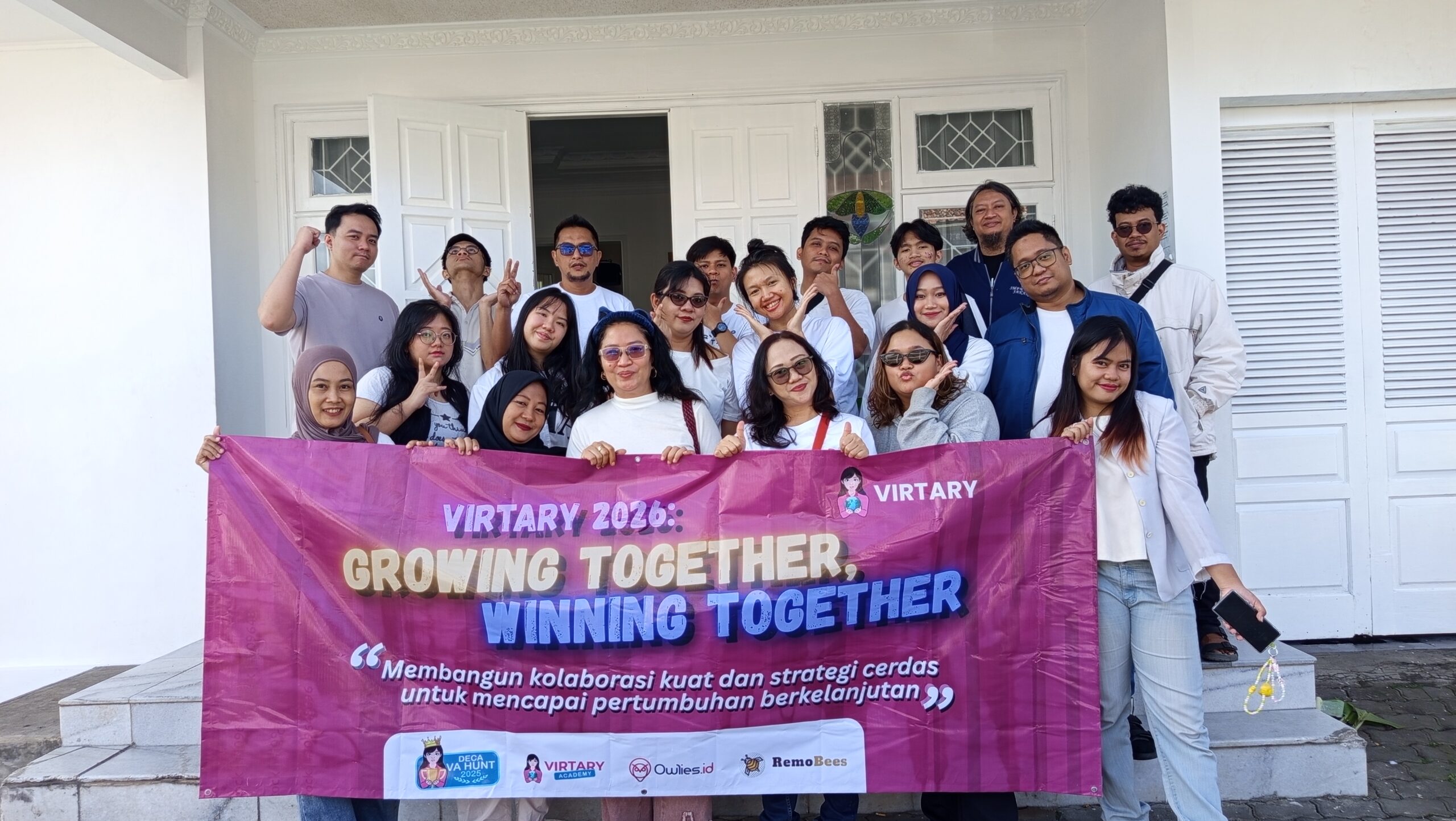
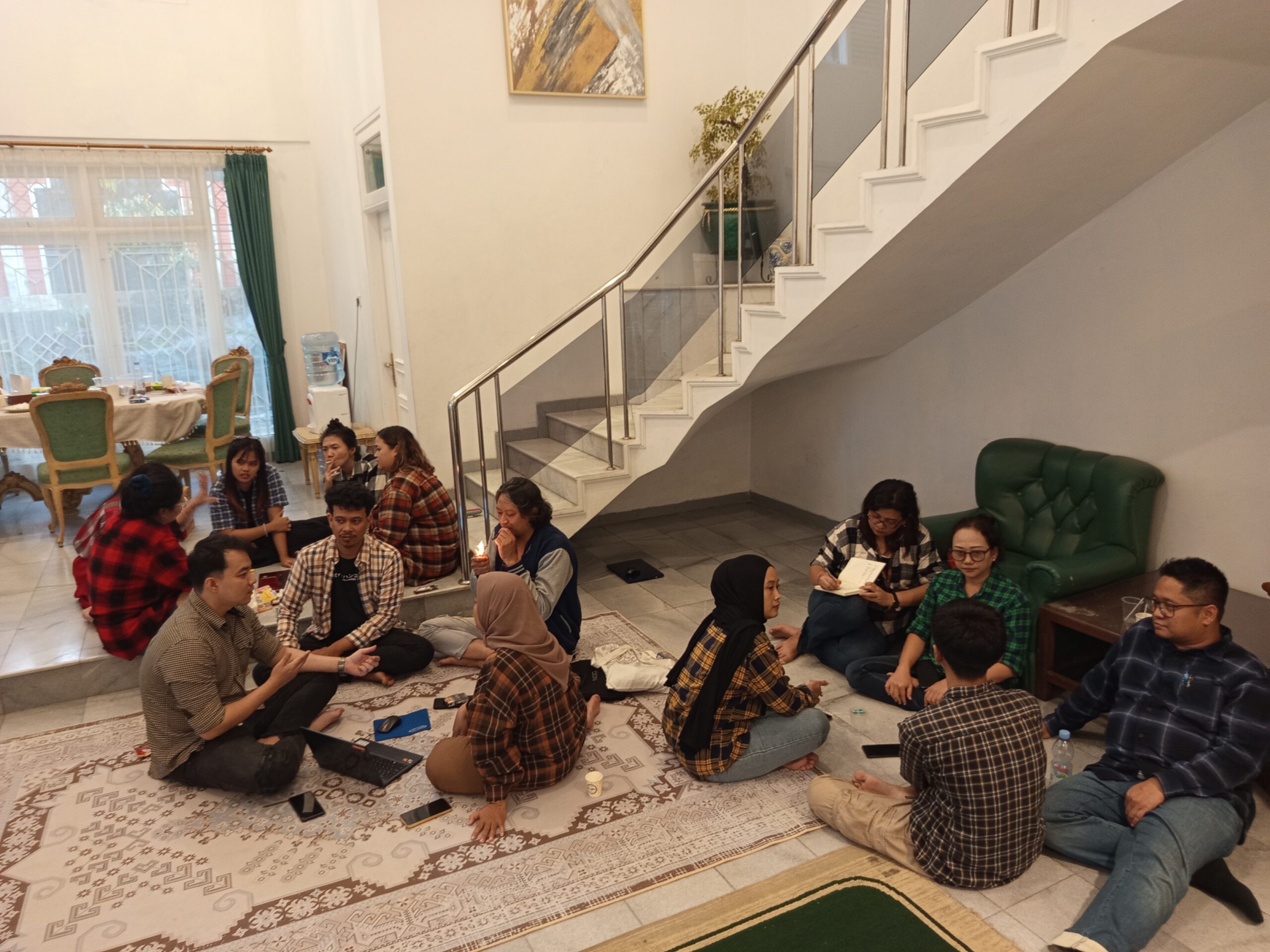
After the event concluded, the committee gathered in Puncak for a final review.
There were no audiences or formal sessions. The focus was on evaluation — identifying what worked, what didn’t, and what needs to change moving forward.
The conclusion was straightforward: the next iteration will not be a repetition. The format may change entirely.
FINAL NOTE
This wasn’t a competition built for attention.
It was Virtary making its standards visible and measurable.
That standard now exists publicly.